Citizen Science Case Studies

Lorem ipsum dolor sit amet esse proident id irure. Ea nulla cillum in do. Occaecat laboris dolore non veniam. Pariatur occaecat occaecat consectetur mollit dolore dolor. Duis et non laboris aliqua commodo. Non sed dolore fugiat nisi. Nostrud est dolor ullamco ea sint.

Collect

The Rock Pool Project

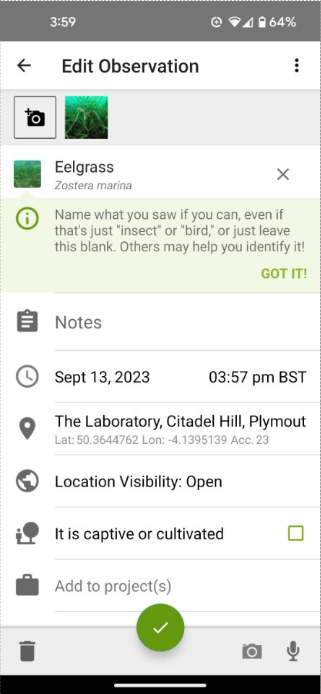
iNaturalist is a key tool to collect data for The Rock Pool Project. Find out more about how they collect data below

Method

The data are collected using iNaturalist, an app and website that allows users to easily submit records of their sightings. People can record anything they see in the bioblitz locations for the allocated time of 90 minutes. Following this, the trained volunteers and experts verify the records to ensure they reach Research Grade, and scores are allocated to each team of recorders based on the rarity of the species found. Research Grade means that the record has all the mandatory metadata required by iNaturalist (e.g. location, a clear photograph, time of the record) and that the identification of the species has been confirmed by two or more iNaturalist users. This open method allows people to form teams and work together to obtain a team score, although individual scores are also provided.
Location

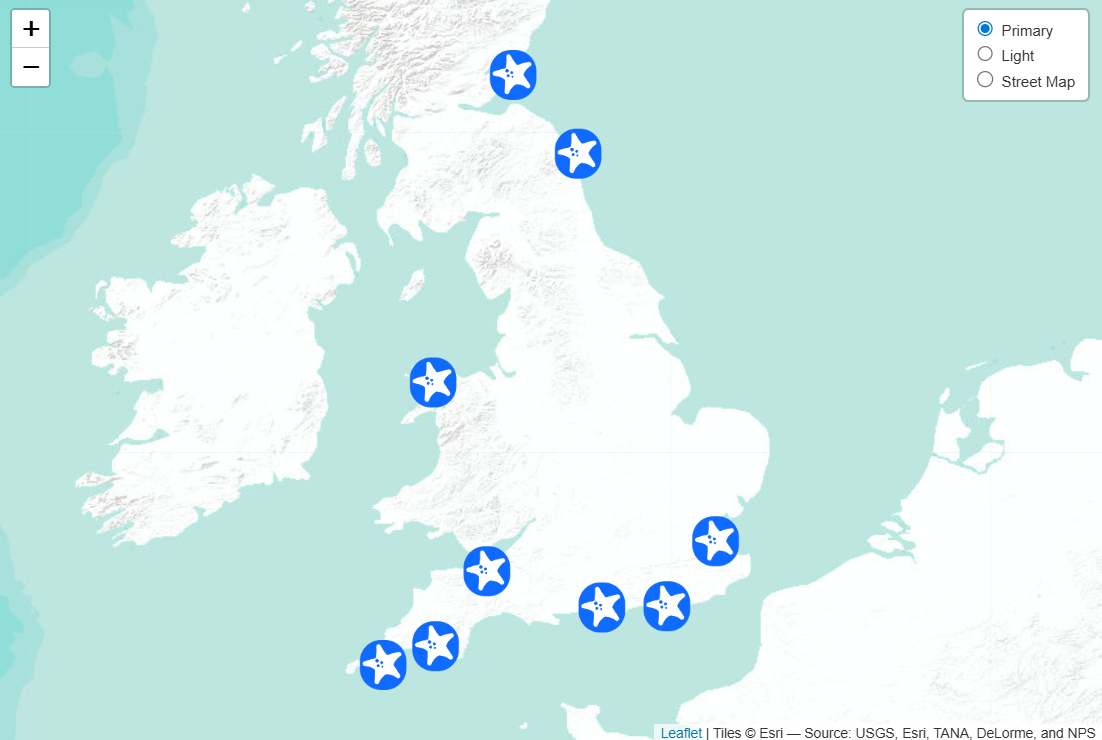
For the monthly bioblitz events, the data are collected at each of the 9 locations across the country: Castle Beach, Falmouth; Mount Batten, Plymouth; Shoeburyness, Southend-on-sea; Lee-on-the-Solent, Hampshire; Menai Bridge, Bangor; Beadnell Haven, Northumberland; Ovingdean, Brighton; East Sands, St Andrews; Kilve Beach, Somerset; and Firestone Bay, Plymouth (coming soon).

Data can also be collected from outside these locations, and pilot events can be set up for groups in other locations. Every May, there is a National Bioblitz which collects data from around the country.

Training

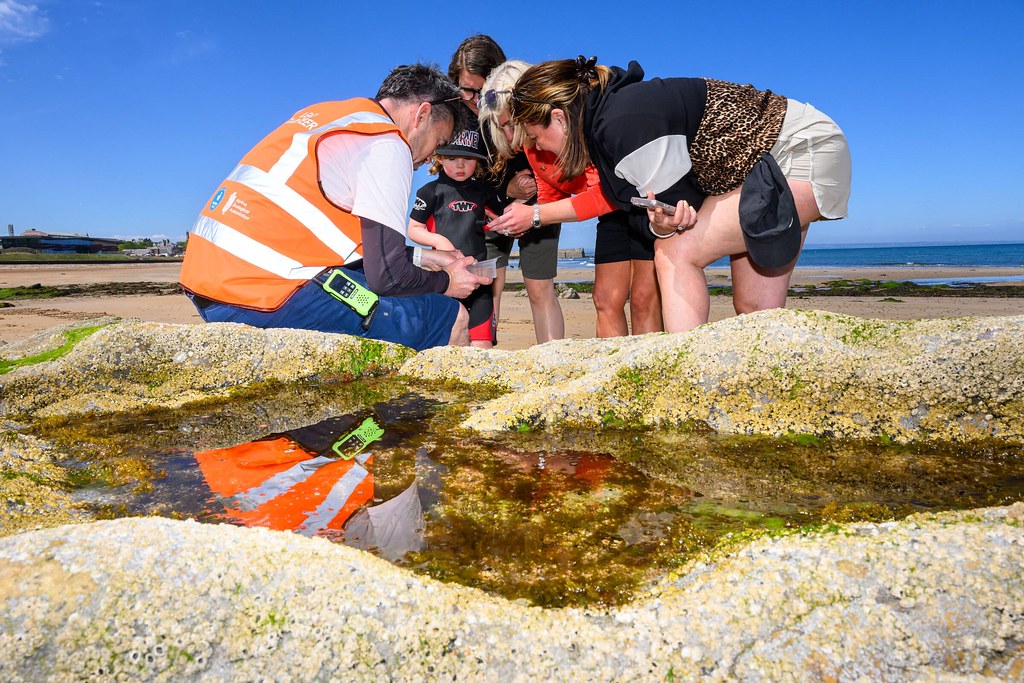
Participants are not required to have any prior experience to take part in the bioblitzes, just an interest in rock pooling and a smartphone with the iNaturalist app or waterproof camera. There are volunteers and resources on site to assist with the identification of taxa and to provide general rock pooling guidance.

Volunteers receive training both online via Zoom and through a handbook for volunteers. Other hands-on training is provided at each event. Training for volunteers is ongoing and is built-on through experience. Misidentifications are flagged and re-checked, often as a result of a high score for rarity, and discussions take place within the team to correct any issues on iNaturalist. In general, iNaturalist is self-policing as other users can correct records too. One of the main difficulties with record verification is getting people involved in this process to start with.

[The Rock Pool Project collect image]